Select and customize the fundraising method best suited for your organization
BetterWorld seamlessly integrates with both online and in-person auctions
Impress donors with creative raffle items and elegant online raffles
Create attractive donation pages that maximize donor impact and boost online giving
Want to build an effective fundraising campaign?
Our team is here to give you more details and guides on how to grow your fundraiser.
Book a demo →
The new reality of fundraising in 2026 (and why old playbooks fail)
By Team BetterWorld on
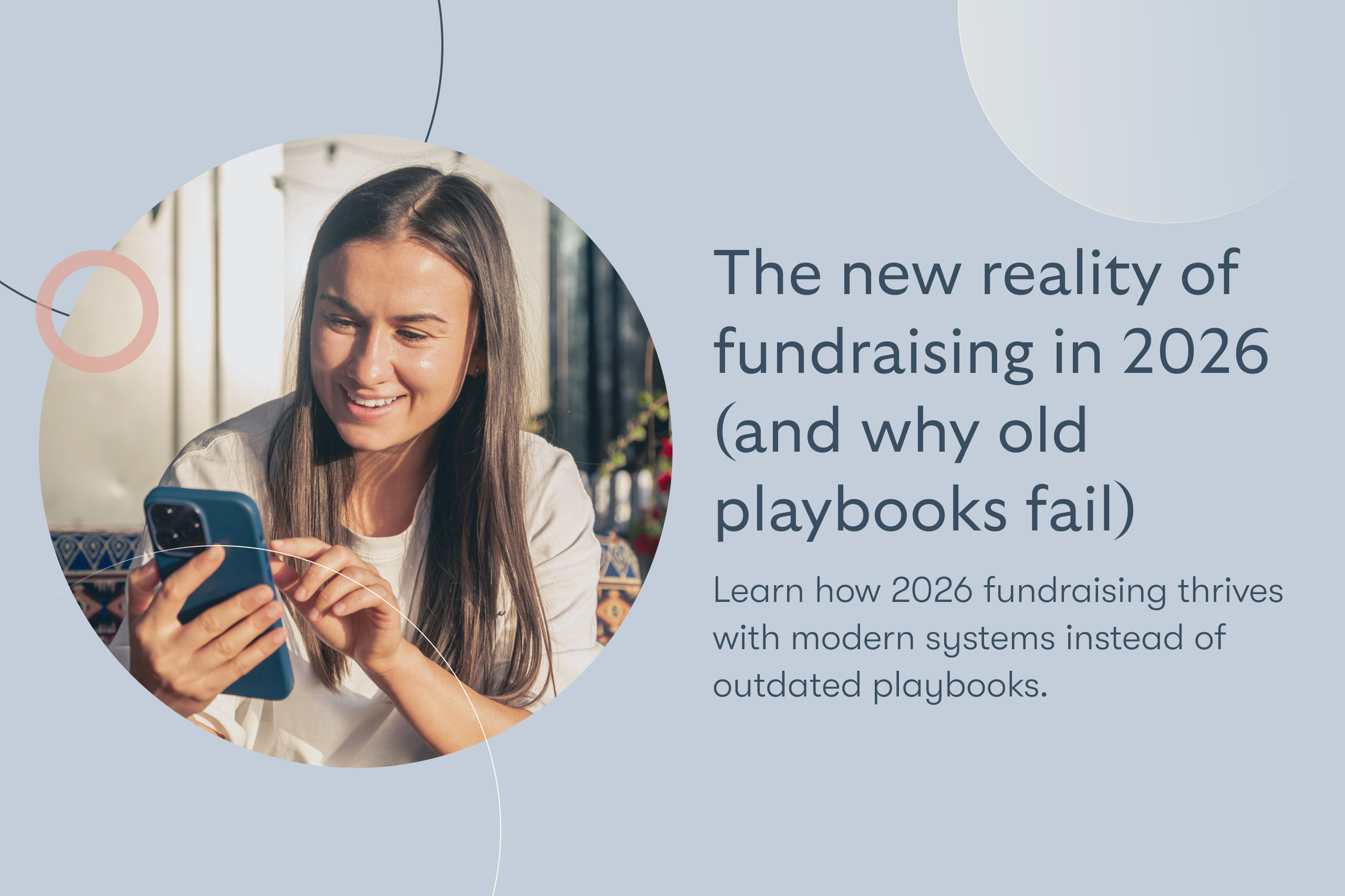
Fundraising in 2026 looks very different from even a few years ago. Nonprofits are being asked to raise more money with fewer staff, tighter budgets, and less room for error. At the same time, donor expectations have risen. People now expect giving to be fast, mobile-friendly, and personal, not confusing or time-consuming.
The generosity is not fading away. In fact, total charitable giving reached $592.5 billion in 2024, the highest level ever recorded. What has changed is how donors choose to give and the factors that influence their decisions.
Fundraising strategies that worked five or ten years ago were built for a slower, less digital environment. In 2026, growth depends on aligning fundraising systems with modern donor behavior rather than relying on outdated playbooks that no longer reflect reality.
Nonprofits are operating with leaner teams
Many mid-sized nonprofits raising between $1M and $5M a year are doing more work with fewer people. Fundraising, donor communication, reporting, and follow-up often fall on the same small team.
“Time and money are the two most precious commodities for a nonprofit.”— Colin Hunter
When staff time is spent on manual tasks, repeated setup work, or outdated systems, fundraising becomes harder to sustain. The challenge is not motivation or effort, but limited capacity.
Donor behavior has shifted, not donor generosity
Donors are still giving, but patterns have changed. Some supporters give smaller amounts more often. Others begin with modest gifts and increase their involvement over time. Many major donors start with gifts of $500 or less before increasing their support.
Most giving decisions now depend on three factors:
- How easy the process feels
- How much the organization is trusted
- Whether the donor feels connected to the mission
If any of these are missing, donors move on quickly.
Mobile giving is now mainstream
Mobile giving is no longer limited to one age group. It is now common across generations:
- 54% of Millennials have made a mobile donation
- 45% of Gen Z donors give on mobile
- 43% of Gen X donors use mobile giving
Donors expect donation forms and follow-ups to work smoothly on their phones. When forms are slow, long, or difficult to use, many potential gifts are lost before they are completed.
Tax policy changes will affect everyday giving
Beginning this year, new tax rules will allow more donors to deduct charitable contributions even if they do not itemize. Individuals will be able to deduct up to $1,000, and married couples up to $2,000, in charitable gifts.
This new change may encourage more frequent, smaller donations rather than large, one-time gifts. Nonprofits that make recurring and low-friction giving easy will be better positioned to benefit from this shift.
Trust is moving closer to the community
Donors are placing greater trust in local and community-rooted organizations. These nonprofits often communicate more quickly, reflect real community needs, and foster a stronger sense of belonging.
Feelings of connection are becoming a key driver of donor retention, especially among younger supporters. Donors want to feel part of something meaningful, not simply acknowledged for a transaction.
Technology gaps are creating hidden friction
Many nonprofits still rely on tools that lag behind what donors experience in other industries. Long forms, limited payment options, and disconnected systems create friction that quietly reduces giving.
Organizations that use technology well are not chasing trends. They use tools intentionally to reduce manual work, personalize communication, and give staff time back.
Try BetterWorld’s robust suite of charity & nonprofit fundraising tools for FREE!
Why old fundraising playbooks fail in 2026
Traditional fundraising strategies were built for a different environment. They assumed more staff, longer donor attention spans, and fewer digital touchpoints. That reality no longer exists.
In 2026, growth depends on adapting systems to modern donor behavior. Nonprofits that succeed remove friction, build trust, and create experiences that respect both donors' time and staff capacity.
This new reality does not require abandoning fundraising fundamentals. It requires updating how those fundamentals are delivered.
Build a fundraising system with Betterworld that works for your team
Fundraising in 2026 does not require larger teams or more complicated campaigns. It requires systems that work with modern trends. Nonprofits that succeed are building efficiency and trust into every part of the fundraising experience.
BetterWorld was designed for this exact reality. We help nonprofits streamline donation forms, support recurring giving, automate follow-ups, and manage campaigns in one place.
By reducing manual work, teams regain time to focus on donor relationships and long-term growth rather than constant setup and maintenance.
“Some things will always be hard and challenging—but some things don’t have to be.” — Whit Hunter
If your organization is ready to simplify fundraising and build a system that supports both donors and staff, sign up for BetterWorld to see how small changes can lead to stronger, more sustainable results.
FAQs
1. What major trends are shaping nonprofit fundraising in 2026?
Fundraisers in 2026 are adapting to a shift toward digital-first donor engagement, prioritizing mobile-friendly giving, leveraging data-driven insights, and responding to policy changes, such as new tax deductions, that affect how and when people give.
2. How is artificial intelligence changing nonprofit fundraising in 2026?
Artificial intelligence helps nonprofits automate routine tasks, analyze donor behavior, and improve segmentation. AI enables staff to spend more time building donor relationships rather than handling manual tasks.
3. What role does digital fundraising play alongside in-person engagement?
Digital giving channels extend reach and convenience, but combining online outreach with direct, human connection, including mobile and community-based interactions, leads to stronger, more sustained donor relationships.
4. How important is storytelling in fundraising now?
Storytelling remains a key strategy in 2026 because it helps donors understand impact. Clear narratives about how gifts make a difference strengthen trust, deepen connection, and encourage continued support.

Join 105,000+ amazing nonprofits, organizations, and fundraisers on BetterWorld

Let our FREE fundraising tools help you raise more funds with less effort