- Fundraising ideas
- Asking for donations
- Auctions
- Crowdfunding
- Events
- Fundraising
- Giveaways
- Nonprofits
- Peer to peer
- Virtual fundraising
11 EMS fundraising ideas that actually work for small, rural, and volunteer services
EMS fundraising often falls short because small and rural services use ideas built for schools, churches, or large nonprofits. A pancake breakfast may bring in donations, but it may not cover a cardiac monitor, ambulance repair, powered stretcher, or station upgrade.
Volunteer and rural EMS agencies need fundraisers that fit limited staff time, strong community ties, and urgent equipment needs. The strongest campaigns combine local events with online giving, business sponsorships, recurring donations, and a clear reason to give.
These 11 EMS fundraising ideas are practical for services that need to raise more without taking crews away from training, emergency calls, and patient care.
Choose one clear EMS need before you start fundraising
Before you start fundraising, choose one need your community can clearly understand.
“Support EMS service” is too broad. Donors are more likely to act when they can see the exact need, cost, and local impact.
Instead of asking for general equipment donations, set a clear target. For example: “Help us raise the final $18,000 needed to replace two cardiac monitors before December.” For a large station project, divide the campaign into visible phases.
Clearly explain:
- What the item or project is
- The total amount needed
- Why it is needed now
- How many residents or emergency calls it will support
- When you plan to purchase or complete it
Use a campaign name built around the outcome, such as Help Us Replace Our Cardiac Monitors, rather than a general title.
Add a photo, progress bar, purchase timeline, or simple cost breakdown so donors can quickly see what their gift will help fund.
Keep the message focused on community impact, not technical details. Explain how the purchase will improve response readiness, patient care, or crew safety.
Use plain language, and avoid patient stories or details that could affect privacy. A specific campaign makes it easier for residents, businesses, grantmakers, and local officials to understand where their money will go.
What are the best EMS fundraising ideas?
Choose a fundraising idea that fits your goal, team capacity, and community. These 11 options can work for equipment, training, vehicles, and other EMS needs.
1. Run an equipment replacement campaign
Create an online campaign for one major equipment need, such as an AED, stretcher, radio system, protective gear, or cardiac monitor.
Include a photo, vendor estimate, fundraising deadline, and suggested gift amounts tied to the purchase. For example, $25 could pay for supplies, $100 could cover a battery, and $500 could fund part of the main unit.
Post progress updates as donations arrive. After the purchase, share the invoice, equipment photo, and remaining balance. Public follow-up helps build trust for your next campaign.
2. Send an annual appeal to every household in the service area
Mail one clear fundraising letter to residents each year, then direct them to an online donation page through a QR code and short web address.
The letter should come from a recognizable local person, such as the EMS chief, board president, or longtime volunteer. Explain one current need, the annual call volume, and what public funding does not cover.
Send the letter before a known giving period rather than during your busiest emergency season.
Expert tip: USPS Every Door Direct Mail can deliver a mailpiece to every address along selected postal routes without requiring a complete mailing list.
3. Create a monthly EMS supporter program
Invite residents to join a named program such as “Community Response Partners” or “Station 12 Supporters.”
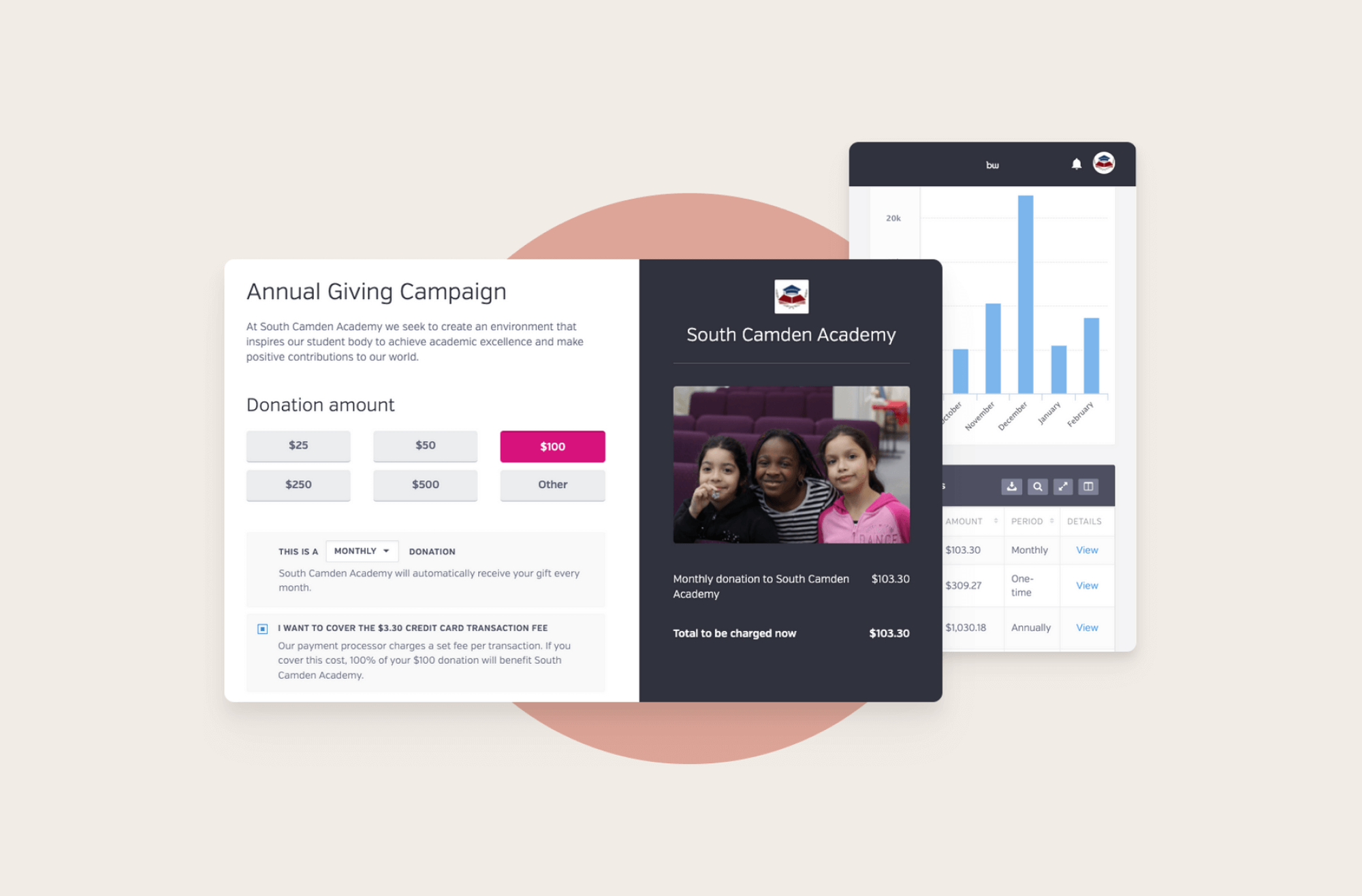
Offer simple monthly levels such as $10, $25, and $50. Explain that regular gifts help pay for ongoing expenses like fuel, medical supplies, radio service, certifications, and vehicle maintenance.
Monthly giving accounted for 27% of online nonprofit revenue in 2025, according toM+R Benchmarks.
4. Pair a grant request with a community-match campaign
Federal and state grants can fund major purchases, but they may not cover the full cost. Start a community campaign for the required cost share, installation costs, related supplies, or other expenses outside the grant budget.
FEMA’s Assistance to Firefighters Grant program provides funding directly to fire departments and eligible nonaffiliated EMS organizations for equipment, protective gear, vehicles, training, and related emergency-response needs.
Do not announce an award before receiving official approval. Clearly separate confirmed grant funding from money your agency is still requesting.
5. Offer local businesses specific sponsorships
Businesses respond better to a clear sponsorship than a general request for help.
Ask a company to fund a specific item or activity, such as:
- One EMT training scholarship
- Open-house safety materials
- An AED cabinet
- Volunteer protective gear
- An annual community impact report
Provide useful recognition, such as a logo on the campaign page, event signage, or inclusion in your annual report. Keep the focus on community safety rather than promotional benefits.
Send each sponsor a short report showing exactly how its contribution was used.
6. Let responders and community supporters fundraise through personal pages
Give volunteers, former members, board members, local leaders, and residents their own online fundraising pages connected to one EMS campaign.
Each person can set a small goal and share why the service matters to them. Provide ready-made email, text, and social posts so participants do not have to write their own appeals.
Personal pages work well for volunteers who cannot attend another fundraising event. They can raise money from their existing contacts on their own schedule.
7. Add memorial and tribute giving
Create a permanent online page where families can donate in memory of a resident, responder, or community leader.
Let donors enter the honoree’s name, add a message, and request that the family receive a notification. Families may also choose to direct gifts toward training, equipment, or a specific station project.
Respond quickly to each gift and keep memorial records separate from general campaign donations. With the family’s permission, share how the tribute funds were used.
8. Turn the station open house into a focused fundraising campaign
Do not rely only on a donation jar at the station door. Connect the open house to one public fundraising goal.
Display the equipment that needs replacing, explain its role during an emergency, and place QR codes throughout the station. Add a live campaign total, short equipment demonstrations, and a two-minute fundraising message from the chief.
Keep online giving open for one or two weeks after the event. Many residents may attend the open house but choose to donate later from home.
Raise more. Keep more.
Do more good.
Raise more with BetterWorld
9. Run a service-area giving challenge
Create a short challenge between local towns, neighborhoods, employers, or station districts.
Measure participation rather than total dollars so smaller communities can compete fairly. For example, the first area to reach 50 donors could unlock a business match or receive a community CPR class.
Run the challenge for seven to 14 days and provide regular updates. Avoid language that embarrasses areas with fewer donors. The goal is community involvement, not public pressure.
10. Publish an itemized station wish list
List approved items that residents or businesses can help purchase, along with the price and priority level of each.
A wish list might include:
Item | Cost | Priority |
Trauma supply kit | $450 | Urgent |
Portable radio | $900 | High |
Training manikin | $1,600 | Medium |
Power stretcher | $18,000 | Medium |
Confirm each item with the agency’s medical, purchasing, and municipal requirements before publishing it. Remove funded items promptly and show donors when purchases have been completed.
11. Use auctions or giveaways selectively
Auctions and giveaways can work when the prize has strong local appeal, and most items are donated. Popular options include local experiences, equipment packages, restaurant certificates, or community-made products.
Calculate expected revenue after prize costs, promotion, volunteer hours, and payment fees. A fundraiser that raises $5,000 but consumes hundreds of volunteer hours may not be worth repeating.
Giveaways and raffles are regulated by state and local laws and may create tax-reporting requirements, so confirm the rules before launching.
A simpler way to manage EMS fundraising online
A strong fundraising plan should not require responders to manage several systems, rebuild donor lists, or spend nights updating spreadsheets.
BetterWorld lets EMS agencies, volunteer fire departments, associations, and first responder foundations manage donation campaigns, monthly giving, peer-to-peer pages, events, auctions, giveaways, donor records, and real-time reporting in one platform.
Our free plan includes a 0% platform fee, all fundraising tools, unlimited campaigns and teammates, and donor management.
American Hose Company, a volunteer fire department in Pennsylvania, raised more than $100,000 in two years through BetterWorld while reporting hundreds of hours saved on event planning.
It’s time to bring your equipment campaigns, community appeals, donor records, and public reporting into one place.
Start fundraising for free now!
FAQs
1. Can EMS agencies apply for federal grants?
Yes. Eligibility depends on the agency’s structure and the grant. FEMA’s Assistance to Firefighters Grant program accepts fire departments and eligible nonaffiliated EMS organizations. Review the current funding notice before applying.
2. How can EMS start a monthly giving program?
Create three simple monthly gift levels, explain which ongoing costs they cover, and add recurring giving to the main donation page. Invite past donors first and send members brief impact updates throughout the year.
3. What should an EMS fundraising letter include?
Include the current need, total cost, service area, recent call activity, funding gap, donation deadline, and clear giving instructions. Add a QR code, online donation link, mailing address, and contact details.
4. Are EMS donations tax-deductible?
They may be deductible when given to an eligible government unit or qualified tax-exempt organization. Status varies by agency. Donors can check eligibility through the IRS Tax Exempt Organization Search tool. Gifts of $250 or more require written acknowledgment.
5. What's the fastest way for a volunteer EMS agency to start fundraising?
Pick one clear equipment need, set up a free online donation page with a specific dollar goal, and share it through a QR code at the station, on social media, and in a short letter to the service area. Agencies that focus on a single, well-explained need typically raise funds faster than those running several general appeals at once.
6. How much should an EMS agency budget for fundraising campaigns?
Costs vary by method. Mailed appeals carry printing and postage costs, events carry venue and supply costs, and platform-based campaigns mainly carry payment processing fees, typically 1.5%–2.9% plus a small per-transaction charge. Choosing a fundraising platform with a 0% platform fee, such as BetterWorld, removes the percentage-based cost that would otherwise reduce funds available for equipment and training.